
Find Cheap Ammo Deals Now and Stock Up Before Prices Rise Again
Cheap ammo refers to bulk-produced or surplus cartridges engineered to meet reliable performance standards while minimizing material and manufacturing costs, often using steel casings or lighter powder loads. This cost-effective design delivers dependable cycling and accuracy for range practice, allowing shooters to focus on fundamentals without financial strain. By prioritizing function over premium frills, cheap ammo stretches training budgets and extends trigger time, making it a practical choice for high-volume shooting. Choose it for routine drills and sighting-in, where consistency matters more than match-grade precision.
How to Find Budget-Friendly Rounds Without Sacrificing Reliability
Finding budget-friendly rounds without sacrificing reliability starts with buying in bulk, as case quantities from reputable manufacturers often cut per-round costs by 15–20%. Stick to cheap ammo from established brands like Federal, Blazer, or Sellier & Bellot, and check online forums for lot-specific reviews—one bad batch can sink an otherwise solid deal. Test a single box first, firing at least 50 rounds to check for failures, and always inspect primer strikes and case rims for pressure signs before committing to a case. Buy steel-case only for range blasting, but reserve brass for defensive loads. Finally, compare shipped prices per round, not sticker prices, and watch for free-shipping promos. Reliable and cheap are not opposites; they’re a matter of smart vetting and volume patience.
What Defines a Low-Cost Cartridge Beyond the Price Tag
A low-cost cartridge is defined less by its sticker price and more by its consistent primer sensitivity across varied firing pin strikes. A budget round that fails in a cold, dirty chamber costs more than premium ammo when you account for remediation time. The true metric is whether the projectile’s jacket thickness and cannelure crimp hold zero under rapid fire, preventing bullet setback https://specialtysportsandsupplyltd.com/ during magazine feeding. What appears cheap often hides poor case wall thickness, which expands unevenly and accelerates carbon fouling. To evaluate beyond price, check these three practical markers:
- Measure the case mouth tension by pressing a loaded round against a .35 Remington Ammo for Sale hard surface—no bullet movement means adequate neck grip.
- Weigh a sample batch; a variance above 0.3 grains suggests sloppy propellant metering, not just cost savings.
- Inspect the primer pocket depth—shallow pockets cause high primers that impede bolt closure and trigger reliability.
The final test is extraction: a low-cost cartridge that ejects cleanly from a hot, fouled barrel without rim tearing or stuck cases is genuinely budget-friendly, regardless of its retail tag.
Why Steel-Cased and Aluminum-Cased Options Are Easier on Your Wallet
Steel-cased and aluminum-cased ammo skips the expensive brass manufacturing process, instantly cutting costs—often 10–20% less per box. Because these cases are cheaper to draw and form, manufacturers pass those savings directly to you. They also shed weight, which trims shipping fees from factory to shelf, another reason the final price drops. Plus, their non-reloadable design means you’re not paying for a case designed for multiple uses you’ll never exploit. For high-volume practice, this budget-friendly ammunition alternative lets you shoot more 6.5x57R Ammo for Sale for the same cash.

Steel and aluminum cases cut material and shipping costs, making them the cheapest way to keep your firearm fed without hidden fees.
Where to Score the Best Deals on Affordable Firearm Loads

To score the best deals on affordable firearm loads, you must buy in bulk from online giants like Target Sports USA and SG Ammo, where free shipping on cases slashes per-round costs dramatically. Cheap ammo deals flourish when you check the “crate” or “case” sections of Brownells and MidwayUSA, especially on overstocked or open-box loads. Set instant price alerts on AmmoSeek to catch flash sales on brass-cased rounds, which are often cheaper than steel-case due to rebates. For the absolute lowest prices, join retailer email lists—they send exclusive coupon codes for bulk ammunition that beat retail store sticker prices. Avoid small local shops for volume; instead, use their clearance bins for odd calibers. Stack manufacturer mail-in rebates from Federal or Remington with online promo codes to cut costs by up to twenty cents per round.
Buying in Bulk: When Bigger Quantities Mean Bigger Savings Per Box
Buying in bulk transforms the per-box cost of cheap ammo, often cutting the price-per-round by 10–30% compared to single-box purchases. Instead of grabbing five 20-round boxes at $18 each, a single 500-round case frequently drops the effective cost to $13 or less per box. This works best with high-volume calibers like 9mm and .223, where shipping and handling fees get absorbed into the larger order. Stick to sealed, factory-packed cases—loose bulk bags may save slightly more but risk damaged primers or crushed cases. If you shoot regularly, even a 200-round bundle beats two 100-rounders for price-per-box. But only commit to quantities you can store dry and rotate within a year, avoiding overbuying a load your rifle dislikes.
Surplus and New Production: Which Offers More Value for Your Money
When pinching pennies on cheap ammo, surplus vs new production value really comes down to your shooting goals. Surplus rounds, like old military brass, often cost less per box, but they may have corrosive primers or inconsistent powder—perfect for blasting at steel, not for your precision rifle. New production ammo costs a bit more upfront, yet gives you reliable ignition, fresh cases, and repeatable accuracy, which saves money in the long run by preventing fouling or squib loads that could damage your firearm. If you just want trigger time, surplus wins; for trustworthy defensive or match practice, new production is the smarter buy.
Surplus saves cash Ammunition for Sale per shot, but new production delivers better reliability and accuracy—so choose based on whether you value raw volume or consistent performance.
Matching Inexpensive Rounds to Your Specific Firearm Type
Matching inexpensive rounds to your specific firearm type starts with the manual’s twist rate and barrel length, since budget ammo often 6.8 SPC Ammo for Sale uses lighter or heavier projectiles that change stability. A 1:7 twist in a .223/5.56 rifle will group cheap 55-grain loads poorly, while a 1:12 twist handles them accurately—so test a box before bulk-buying. For pistols, cheap rounds with flat noses may fail to feed in tight 9mm chambers, whereas round-nose budget loads cycle reliably. Likewise, your firearm’s gas system length dictates what pressure cheap ammo produces; a carbine-length system may short-stroke on low-friction budget rounds, but a mid-length handles them fine. Always verify case dimensions, as inexpensive steel-case ammo expands more in a tight match chamber, causing stuck cases. Matching inexpensive rounds to your specific firearm type prevents malfunctions, and cheap ammo compatibility improves when you prioritize feed ramp and chamber specs over price alone.
Choosing the Right Grain Weight for Range Practice vs. Self-Defense Drills
For range practice, prioritize the cheapest grain weight that reliably cycles your firearm, typically 115gr in 9mm or 55gr in .223, since recoil impulse and point of impact differences matter less at casual distances. However, when transitioning to self-defense drills with inexpensive ammo, match the grain weight to your carry load—usually 124gr or 147gr in 9mm—because heavier bullets generate different recoil timing and muzzle rise, altering your follow-up shot cadence. Practicing exclusively with light range ammo builds muscle memory that fails you under stress. Confirm your firearm’s accuracy with both weights, then buy cheap bulk of the heavier option for drill sessions.
Q: Should I practice self-defense drills with the same grain weight as my carry ammo?
A: Yes, always use the same grain weight for defensive drills, even if it costs slightly more, because point of impact and recoil characteristics shift between 115gr and 147gr, which can cause misses under pressure.
How to Verify the Ammunition Works Smoothly in Your Pistol or Rifle
Start by function-checking a full magazine of the inexpensive rounds through a manual cycling process: lock the slide or bolt back, insert the mag, and release it forward without pulling the trigger, .32 ACP Ammo for Sale then extract the round to inspect for setback or deformation. Next, fire a controlled five-round group from a supported rest, watching for failure-to-feed, failure-to-extract, or light primer strikes—these are the first signs of pressure or seating issues. For semi-autos, run a single round in the mag to verify last-round hold-open works; for rifles, check that the bolt locks back on an empty mag. Finally, inspect spent cases for flattened primers, bulged case heads, or excessive soot—these indicate cycling timing problems. If any malfunction occurs, clean the firearm and re-test, since cheap ammo often exposes fouling-induced sticking.
Practical Tips for Storing and Handling Discounted Cartridges
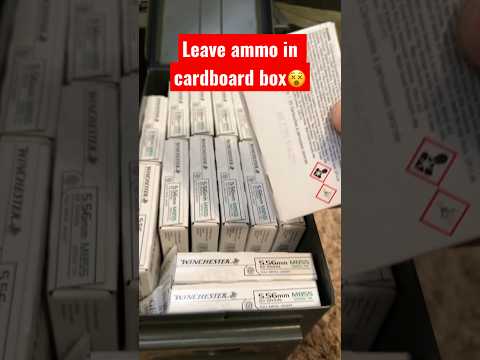
When you buy cheap ammo in bulk, the savings mean nothing if poor storage ruins your stash. First, keep discounted cartridges in a cool, dry place—think closet shelf, not a damp garage—because cheap ammo often has thinner lacquer seals that weaken with humidity. Toss a few silica gel packs into your ammo can to fight moisture, and inspect rounds for dents or corroded primers before loading, since budget brass is more prone to surface flaws. Rotate your stock by using the oldest boxes first, and avoid letting rounds rattle loose in a range bag, where friction .32 Win Special Ammo for Sale can shave soft lead tips.
For questionable discount ammo, do a quick chamber check and fire a test mag before trusting it for defensive use.
Finally, label your containers with purchase dates—cheap powder can degrade unpredictably over years, so write it down and stay ahead.
Keeping the Ammo Dry and Sealed to Prevent Misfires Later
Moisture is the primary enemy of primer stability, especially in budget-friendly rounds where sealants may be minimal. Keeping the ammo dry and sealed prevents corrosion of the case and powder degradation, which directly cause delayed ignition or squib loads later. Store cartridges in their original factory boxes inside a locking, gasket-sealed container with a desiccant pack to maintain a stable microclimate. Avoid temperature swings that induce condensation, as even microscopic water droplets can compromise the primer’s anvil. For long-term storage, vacuum-sealing individual loads in mylar bags with oxygen absorbers offers the most reliable **protection against moisture-induced misfires**. Always inspect for tarnished brass or green primer residue before loading, as these signal failed sealing.

- Use silica gel desiccants in every sealed ammo can to absorb ambient humidity.
- Rotate stock quarterly so no cartridge sits in a damp bottom layer for months.
- Seal the original box’s flap with tape, then place it inside a zip-lock bag before closing the main container.
Rotating Your Stockpile to Ensure Every Round Performs Fresh
Rotating your stockpile ensures every discounted cartridge performs as reliably as the day it left the factory, even when bought in bulk. Adopt a first-in, first-out system: physically place newer boxes behind older ones on your shelf, and log purchase dates on the tape seal with a permanent marker. Every three months, pull the oldest five percent of your inventory and fire it at the range, not just to verify ignition but to confirm that primers and propellant haven’t degraded due to temperature swings. This practice matters most for discounted bulk ammunition, which often sits longer before use. If you notice dimmer muzzle flashes or inconsistent velocity, accelerate your rotation cycle and inspect your storage humidity levels.
Comparing Cost-Per-Round to Maximize Your Shooting Budget
When I first started burning through boxes at the range, I grabbed whatever brick looked cheapest on the shelf—until I did the math at the register. Comparing cost-per-round isn’t just dividing the shelf price; it’s factoring in shipping, tax, and the hidden sting of a dud round wasted on a click instead of a target. Cheap ammo can trick you into spending more per usable shot when you buy loose bulk that fails to feed, forcing you to clear malfunctions and burn time. I learned to track actual rounds fired per box, not just rounds counted. That’s how you stretch a budget without sacrificing trigger time. Buying a 500-round case of budget-friendly loads often drops the per-round cost below a box of premium, but only if your gun runs them reliably—otherwise, the fouling and stoppages eat your savings. The real budget win is finding the cheapest round your specific firearm cycles without complaint, then buying that exact lot in volume. That habit turned my “cheap ammo” stash from a gamble into a predictable, low-cost training plan.
Understanding Shipping Costs and Why They Can Sink a Good Apparent Deal
When you’re hunting for cheap ammo, the listed price per box can look amazing, but the real cost-per-round only becomes clear after you add shipping. A dealer offering $11.99 per box of 50 might sting you with a $15 flat-rate fee, instantly making it worse than a $14.99 option from a store with free shipping over $100. Always check whether the retailer uses 6.5x57mm Mauser Ammo for Sale weight-based or flat-rate shipping, and factor in any handling fees before you commit. Shipping costs can quietly turn a deal into a loss, so always calculate the delivered price per round—not just the sticker price—before adding to your cart.
Using Rebates and Multi-Box Discounts to Lower Your Final Price
When shopping for cheap ammo, stacking rebates and multi-box discounts is the fastest way to cut your effective cost-per-round. Always check the manufacturer’s rebate portal before checkout, as many brands offer $0.05–$0.10 per round back on bulk purchases. Pair that with a retailer’s “buy 5 boxes, save 15%” tier, and your final price can drop below the advertised shelf tag. To maximize the benefit, calculate the rebate as a per-round credit and compare it against the multi-box savings alone—then choose the combination that yields the lowest net figure. Never assume the discount is automatic; some multi-box deals require a promo code, and rebates .338 Lapua Ammo for Sale demand proof of purchase within a strict window. Filing for the rebate immediately after delivery prevents missing the deadline.
Stack manufacturer rebates with retailer multi-box discounts to lower your final price, but verify promo codes and rebate submission deadlines to ensure the savings actually apply.
Common Mistakes to Avoid When Buying Price-Friendly Rounds
When buying price-friendly rounds, the most common mistake is chasing the lowest per-box cost without checking the primer or case type—steel-cased or berdan-primed cheap ammo can ruin your extractor and is 6.5×55 Swedish Ammo for Sale non-reloadable, negating any savings. Another error is ignoring lot numbers; a bargain batch with inconsistent powder charges causes pressure spikes or squibs, so always buy from one lot and test a few rounds first. Don’t assume all cheap ammo is dirty—some low-cost FMJ runs clean, but others foul gas systems quickly, so verify user reports for your specific firearm. Skipping headspace and OAL checks is reckless; cheap rounds often vary, leading to feeding failures. Finally, avoid bulk-purchasing untested brands just because they’re on sale.
Instead, buy one box, shoot 50 rounds through your carry or competition gun, and only then commit to a case.
Your gun’s reliability is worth more than the per-round discount.
Why Not All Discounted Cartridges Are Equal Across Different Brands
Discounted cartridges vary sharply between brands because cheap ammo quality hinges on manufacturing tolerances, not just price. A budget round from one company may use flash-propellant powders that spike pressure, while another brand’s low-cost load employs consistent, temperature-stable propellant. Similarly, bullet jackets differ—thin or swaged copper can foul barrels faster, whereas a rival’s jacketed bullet offers uniform expansion. Primer sensitivity also differs: hard primers in some discount lines misfire in light-strike firearms, while softer primers in others risk slam-fires. To judge value, check three variables:
- Compare case wall thickness and annealing marks—thin cases fail on reloading.
- Chrono the advertised velocity; slow rounds indicate underpowered charges.
- Inspect seating depth consistency—variation over 0.01 inch signals poor QC.
Thus, discount parity is a myth; identical prices can mean radically different terminal reliability.
Spotting the Difference Between a Bargain and a Dangerous Misfeed Risk
A tempting price tag often masks dangerous misfeed risks that a true bargain never has. Inspect the cartridge case mouth for crushing or asymmetrical dents—these catch on the feed ramp and cause stovepipes. Check the bullet seating depth; rounds seated too deep or tilted will jam against the chamber throat. Feel the rim: a burred or oversize rim fails to extract, turning a cheap box into a bolt-action experience. Finally, rattle the box—loose powder inside signals cracked necks or unsealed primers, both imminent misfeed hazards. A genuine deal maintains consistent dimensions; a risk is any round that looks “almost right” under pressure.
- Reject any round with visible case-mouth dents or rolled edges.
- Test bullet tip alignment—off-center tips predict ramp strikes.
- Compare rim thickness across five rounds; variance means feed issues.